

The Best Christmas Pageant Ever Play Guide
WHAT TO KNOW BEFORE THE SHOW!
PLOT SYNOPSIS
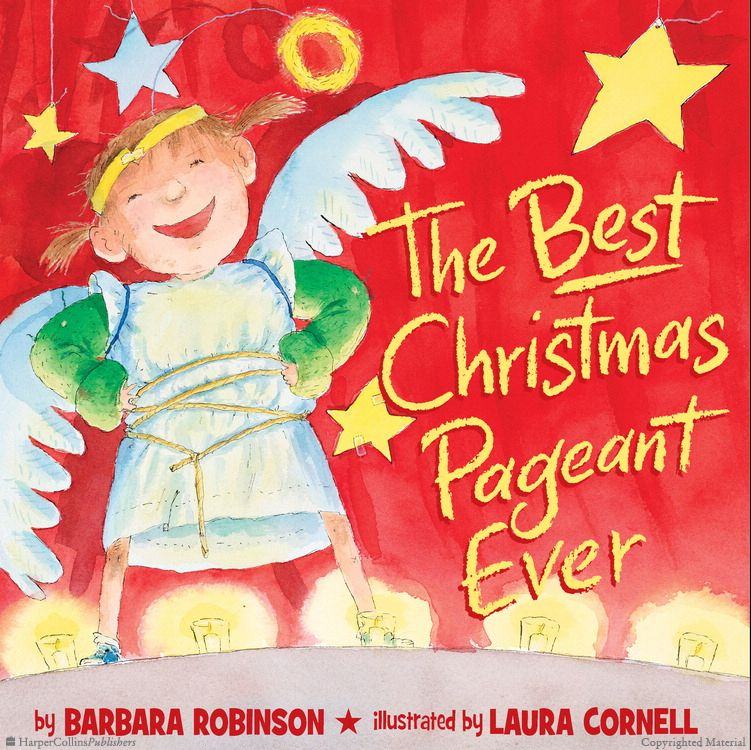
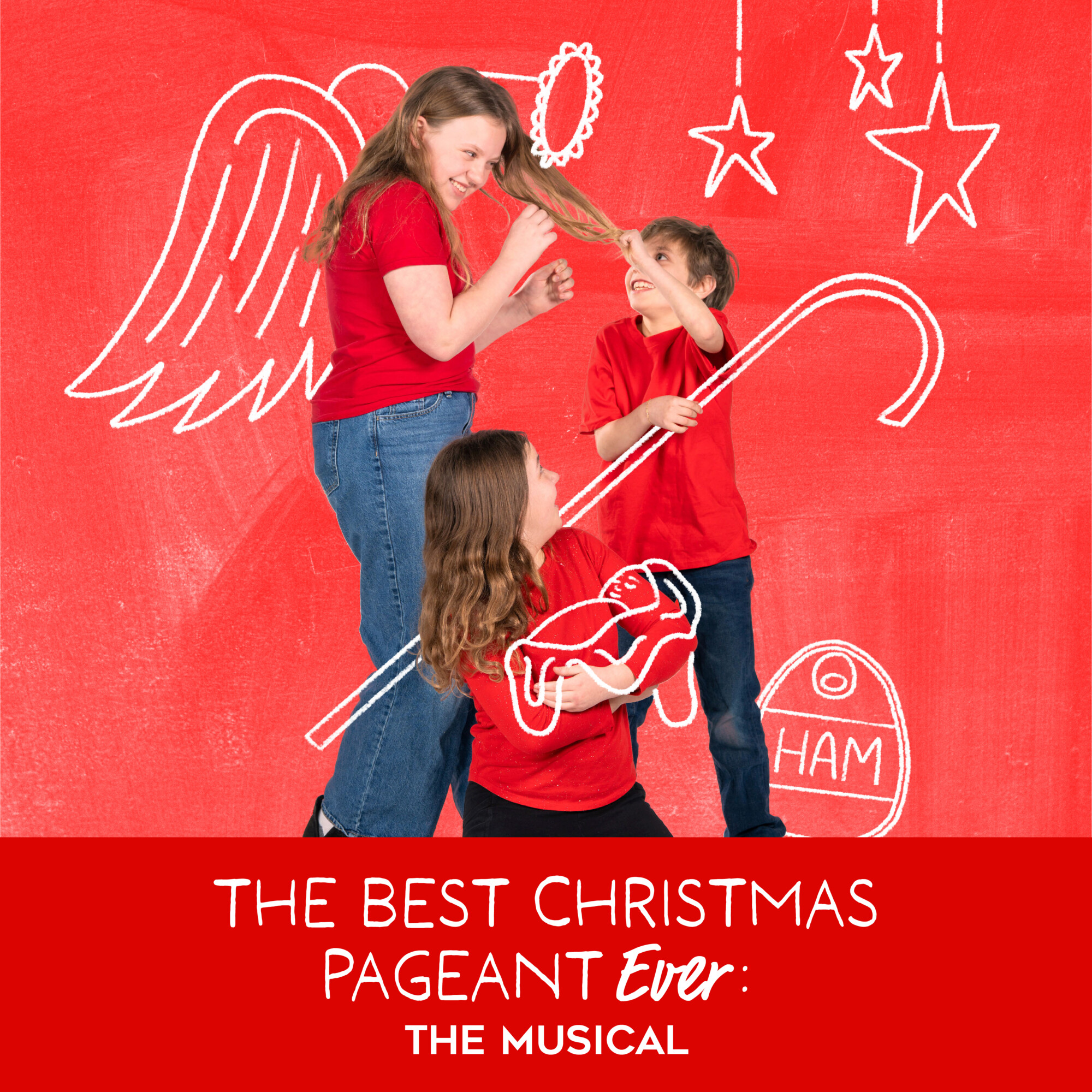
Meet the Herdmans – the “worst kids in the history of the world.” They invade the church one Sunday and decide to take over the annual Christmas pageant. The Best Christmas Pageant Ever, written by Barbara Robinson in 1972, has become a Christmas classic. In 1982, Robinson adapted her book for the stage; since then, her script has been performed annually by theatres around the country. In November 2016, the Children’s Theatre of Charlotte, premiered The Best Christmas Pageant Ever: The Musical written by Jahnna Beecham and Malcolm Hillgartener. In the musical version, the production focuses on the Herdmans and their struggle to fit in, and the music reminds us that we all need to support and care about each other – not only during the holidays but throughout the year. The Best Christmas Pageant Ever is about transformation with a worthwhile message for us all to hear this holiday season: If you open your heart, people will surprise you.
At first, Mrs. Bradley must face the disbelief and horror of local townspeople when she casts Imogene Herdman as Mary, her brothers as Joseph and the Wise Men, and her biting younger sister as the angel who brings the news to the shepherds. Surely the pageant will be an unruly mess! But the Herdmans’ involvement with the pageant brings surprising results. Attitudes change toward the Herdmans, the Christmas story, and all of those involved with the Christmas pageant. Augmenting the professional production staff from LCT are many young people from Lexington and the surrounding communities who went through an audition process much different than the “Who wants to be what?” casting method in The Best Christmas Pageant Ever. They have rehearsed several nights a week for nearly eight weeks, and they look forward to your arrival at the Opera House. Enjoy the show!
PLAY BEFORE THE PLAY
TRIM THE TREE
Bring the beauty of the holidays into the classroom with this fun and easy tree craft!
How to make it: Paste six or seven full sheets of newspaper together end to end to make one long strip of newspaper. Roll this long strip loosely into a tube about two inches in diameter. Put a rubber band around each end of the tube to keep it from unrolling.
How to do it: Take the rubber band off the top of the roll of newspapers. With scissors, make four six inch cuts in the top of the roll. Bend the torn parts over, letting them fall outside the tube. Reach inside the tube with your fingers and slowly pull up the center coils a little bit at a time, holding the roll of newspapers steady as you do. Gradually work the center of the coil up and up until you magically create a six foot tall Christmas tree (from Christmas Magic, by James Baker, 1998)!
Extend the Experience: Have the students decorate the tree by painting or coloring it. Ornaments may be drawn on colored paper, cut out, and attached to the tree with paper clips.


KAS: VA:Cr1.2.4, VA:Cr2.1.4
THE SEASON OF GIVING
The holidays are a time for giving and receiving. Have your students write a wish list of what they want for this holiday season. Take time to share by choosing volunteers to read their lists.
The holidays are also a time for compassion among families and communities. Ask the students to think about people in their community that are in need (i.e. people who are orphans, homeless, or low-income) and make a wish list for one of them. How would the lists be different? Have a few students read from their new lists. As a class, think of ways to help people in need in the community.
Participate in a holiday project by starting a charity drive for a shelter or another charitable organization. The students may bring canned food, clothing, or wrapped toys. Encourage students to get their friends and families involved, too.
If you need some suggestions on where to find families in need, a good place to start is with the coordinator of your school’s family resource center. If your school does not have one, here are some organizations we recommend:

- God’s Pantry: www.godspantry.org
- Salvation Army: www.salvationarmy.org
- Toys for Tots: www.toysfortots.org
- United Way of the Bluegrass: www.uwbg.org
KAS: WR.4.7; WR.5.7
THE BEST CHRISTMAS STORY EVER
Beth Bradley shares her favorite story about a Christmas tradition in The Best Christmas Pageant Ever: The Musical. Ask the class about the holiday traditions their families have. What makes those traditions special? Do they have a favorite? Have each student write a personal story about a previous holiday season. They may write about favorite gifts they received, funny stories, or special moments that occurred. When the writing assignment is complete, give students the opportunity to share their stories either by reading them aloud or memorizing them and presenting them as if they were a storyteller. You can extend this activity by assigning small groups of students to recreate a few of the stories, and having the writers be the directors within their group.
KAS: L.4.3a; L.4.3b; TH:Cr2.1.4a; TH:Cr3.1.4a
CONTEXTUAL ARTICLE
FA LA LA LA LA: A WINTER HOLIDAY TRIFECTA
Christmas Craze
The history of Christmas and the origins of its traditions date back over 4000 years. Many of these traditions began with the Mesopotamian celebration of the New Year. The Mesopotamians believed in many gods, and their chief god was Marduk. Each year as winter arrived it was believed that Marduk would do battle with the monsters of chaos. To assist Marduk in his struggle the Mesopotamians held a festival for the New Year. This was called Zagmuk, the New Year’s festival that lasted for 12 days.
Over in Europe, the early Europeans believed in evil spirits, witches, ghosts, and trolls. As the Winter Solstice (beginning on December 21) approached with its long cold nights and short days, many people feared the sun would not return. Special rituals and celebrations were held to welcome back the sun. In Scandinavia during the winter months, thirty-five scouts would be sent to the mountain tops to look for the return of the sun. When the first light was seen the scouts would return with the good news. A great festival would be held, called the Yuletide, and a special feast would be served around a fire burning with the Yule log. The people would feast until the log burned out, which could take as many as 12 days. In Rome, where winters were not as harsh as those in the far north, Saturnalia—a holiday in honor of Saturn, the god of agriculture—was celebrated. For a month, business and schools were closed so that everyone could join in the fun. The Romans decked their halls with garlands of laurel and green trees lit with candles; and they would exchange good-luck gifts called Strenae (lucky fruits).
But as Christianity spread, they were alarmed by the continuing celebration of pagan customs and Saturnalia among their converts. At first the Church forbid this kind of celebration to no avail. Eventually it was decided that the celebration would be tamed and made into a celebration fit for Christians. In 137 CE the Bishop of Rome ordered the birthday of the Christ child celebrated as a solemn feast. In 350 CE another Bishop of Rome, Julius I, chose December 25th as the observance of Christmas. The 25th was not only sacred to the Romans but also the Persians whose religion Mithraism was one of Christianity’s main rivals at that time. The Church eventually was successful in taking the merriment, lights, and gifts from the Saturnalia festival and bringing them to the celebration of Christmas.
In the United States, the more orthodox Puritan beliefs of the English separatists that came to America in 1620 resulted in a temporary ban on Christmas in some areas while other celebrated wholeheartedly. After the American Revolution, though, English customs fell out of favor, including Christmas. It wasn’t until the 19th century that Americans began to embrace Christmas again by reinventing it Christmas, from a raucous carnival holiday into a family-centered day of peace and nostalgia. But what about the 1800s peaked American interest in the holiday? In 1819, best-selling author Washington Irving wrote The Sketchbook of Geoffrey Crayon, Gent., a series of stories about the celebration of Christmas in an English manor house. The sketches featured a squire who invites the peasants into his home for the holiday. In Irving’s mind, Christmas should be a peaceful, warm-hearted holiday bringing groups together across lines of wealth or social status. Irving’s fictitious celebrants enjoyed “ancient customs,” including the crowning of a Lord of Misrule. Irving’s book, however, was not based on any holiday celebration he had attended—in fact, many historians say that Irving’s account actually “invented” tradition by implying that it described the true customs of the season.

Also around this time, English author Charles Dickens created the classic holiday tale, A Christmas Carol. The story’s message—the importance of charity and good will towards all humankind—struck a powerful chord in the United States and England and showed members of Victorian society the benefits of celebrating the holiday. Christmas provided families with a day when they could lavish attention and gifts on their children without appearing to “spoil” them. As Americans began to embrace Christmas as a perfect family holiday, old customs were unearthed. People looked toward recent immigrants and Catholic and Episcopalian churches to see how the day should be celebrated. In the next 100 years, Americans built a Christmas tradition all their own that included pieces of many other customs, including decorating trees, sending holiday cards, and gift giving. Although most families quickly bought into the idea that they were celebrating Christmas how it had been done for centuries, Americans had, to an extent, reinvented a holiday to fill the cultural needs of a growing nation.
Here for Hanukkah
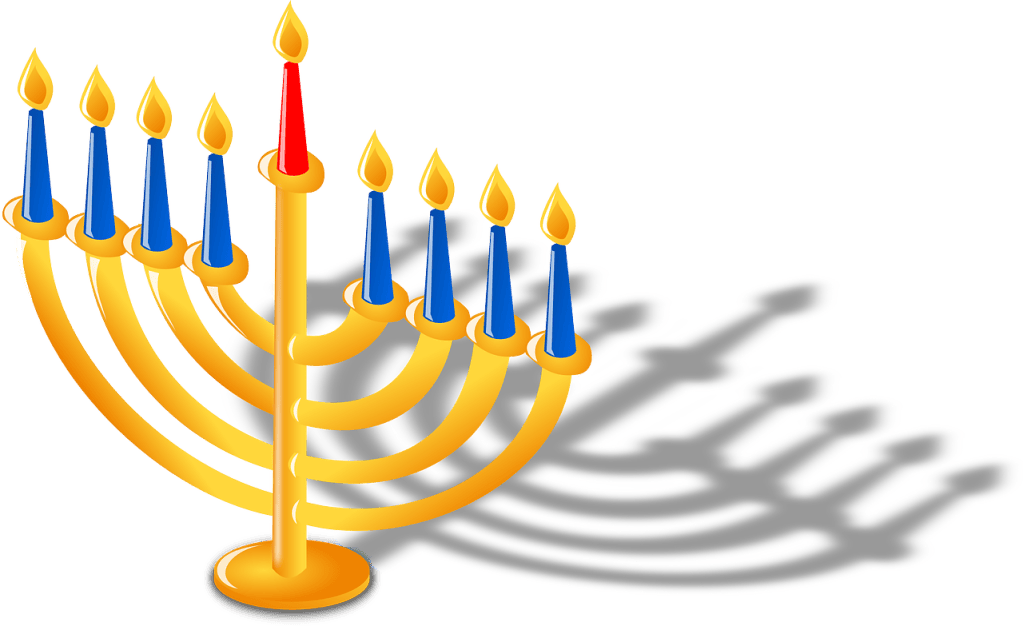
In 168 BCE, members of the Jewish family Maccabee led a revolt against the Greek Syrians due to the policies of Syrian King Antiochus IV which were aimed at nullifying the Jewish faith. Part of this stratagem included changing the Beit HaMikdash, the Holy Temple in Jerusalem, to a Greek temple complete with idolatry. Led by Judah Maccabee, the Jewish community won victory over the Syrians in 165 BC and reclaimed their temple. After cleansing the temple and preparing for its rededication, it was found there was not enough oil to light the N’er Tad, an oil lamp present in Jewish houses of worship which represents eternal light. Once lit, the lamp should never be extinguished. A search of the temple produced a small vial of undefiled oil enough for only one day. Miraculously, the Temple lights burned for eight days until a new supply of oil was brought in. In remembrance of this miracle, one candle of the Menorah, an eight branched candelabra, is lit each of the eight days of Hanukkah. Hanukkah, which means “dedication,” is a Hebrew word. When translated, it is commonly spelled Hanukah, Chanukah, and Hannukah due to different translations and customs. The tradition of receiving gifts on each of the eight days of Hanukkah is relatively new and due, in part, to the celebration’s proximity to the Christmas season.
Caring for Kwanzaa
Doctor Maulana Karenga, a Professor at California State University in Long Beach, California, created Kwanzaa in 1966. It is a holiday celebrated by millions of African-Americans around the world, encouraging them to remember their African heritage and consider their current place in America today. Kwanzaa is celebrated from December 26 to January 1 and involves seven principles called Nguzo Saba:
- Umoja (Unity)
- Kujichagulia (Self-determination)
- Ujima (Collective Work and Responsibility)
- Ujamaa (Cooperative Economics)
- Nia (Purpose)
- Kuumba (Creativity)
- Imani (Faith)
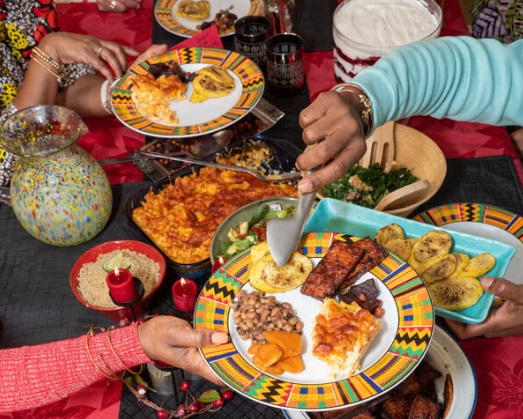
In the Kwanzaa ritual, seven candles called Mishumaa Saba are placed in a Kinara, or candleholder, which is then set upon the Mikeka, a mat usually made of straw. Three green candles are placed on the left, three red candles on the right, and a black candle in the center, each candle representing one of the seven principles of the celebration. One candle is lit each day of the Kwanzaa celebration, beginning from left to right. The colors of Kwanzaa (black, red and green) also have a special significance. Black symbolizes the faces of the African people, red symbolizes the blood they have shed, and green represents hope and the color of the motherland. The name itself, Kwanzaa, is a Swahili word meaning “fruits of the harvest.”
Food is also an integral part of Kwanzaa. On each day of the celebration, hosts may include a dish from a different country in the African diaspora. By enjoying national dishes from Africa, the Caribbean, and South America, Americans can learn more about these foreign cultures and customs. Kwanzaa meals might include Joll of rice, a traditional West African dish, jerk meats from the Caribbean, and black beans that are popular in Caribbean and South American dishes.
HOW TO GROW AFTER THE SHOW!
EXTEND THE EXPERIENCE
A FUTURE FOR THE HERDMANS
As a group, review the final events of The Best Christmas Pageant Ever: The Musical. Have students get into small groups and assume the characters of the Herdmans or other children in the pageant. Each group should create a scene that occurs after the Christmas pageant is over. Each group should act out their scenes using improvisation. In what ways have characters and their attitudes changed? What is happening in their lives? After the groups have shared their scenes, you may extend the project by having each student write a journal entry from the perspective of their character from the scene. The students should focus on what their character was thinking and feeling during the scene and how their opinions have changed.
KAS: TH:Pr6.1.4; TH:Pr6.1.5
LET THERE BE JOY, JOY, JOY: LIVING STORIES

In groups of four or five, have students choose a short book about a winter holiday (picture books are especially helpful). Encourage exploration of holidays other than Christmas, such as Hannukkah or Kwanzaa. After reading the book, have each group list all the characters and settings in their book. Then have the students decide the number of scenes and characters in their story. Once they have outlined their story, have the group act out the story from beginning to end. Allow ample time for rehearsal, and then have the groups present their scenes to the class. Have the whole class discuss the process of turning their book into a script. Was this a difficult process? Why or why not?
KAS: TH:Cr2.1.4.a; TH:Cr2.1.5.a; TH:Re7.1.4; TH:Re7.1.5
CHRISTMAS GREETINGS
Have your students try their hand at matching the “Merry Christmas” greeting with its language of origin!
| LANGUAGE | GREETING |
| Hawaiian | Sheng dan kuai le |
| Portuguese | Joyeux Noël |
| French | Frohe Weihnachten |
| Greek | Kala Christouyenna |
| Mandarin | Mele Kalikimaka |
| Spanish | Buon Natale |
| Russian | Feliz Natal |
| Japanese | Schastlivogo Rozhdestsva |
| German | Feliz Navidad |
| Italian | Merii Kurisumasu |
KAS: N.ICC.2.INT.Q1
CHANGING PERSPECTIVES
The Best Christmas Pageant Ever is primarily told from the point of view of one person: Beth Bradley. How would the story change if it were told from a different perspective? How would Alice tell the story? Or Gladys Herdman? Individually, have the students rewrite The Best Christmas Pageant Ever from the perspective of a different character in the play. They may choose to write the entire story or about a particular event, like the pageant. Encourage the students to explore their character’s thoughts and feelings about the events in the story. Do those thoughts and feelings change at any point? Why or why not? Choose a few volunteers to share their character’s perspectives of certain events (i.e. the Herdman’s first day at church or the Christmas pageant). Try to get as many varied perspectives as possible to be represented and shared.

KAS: WR.4.3.a & 3.b, WR.5.3.a & 3.b
SUGGESTED READING
If you like stories about spreading holiday cheer and embracing the differences in others, you might also like…
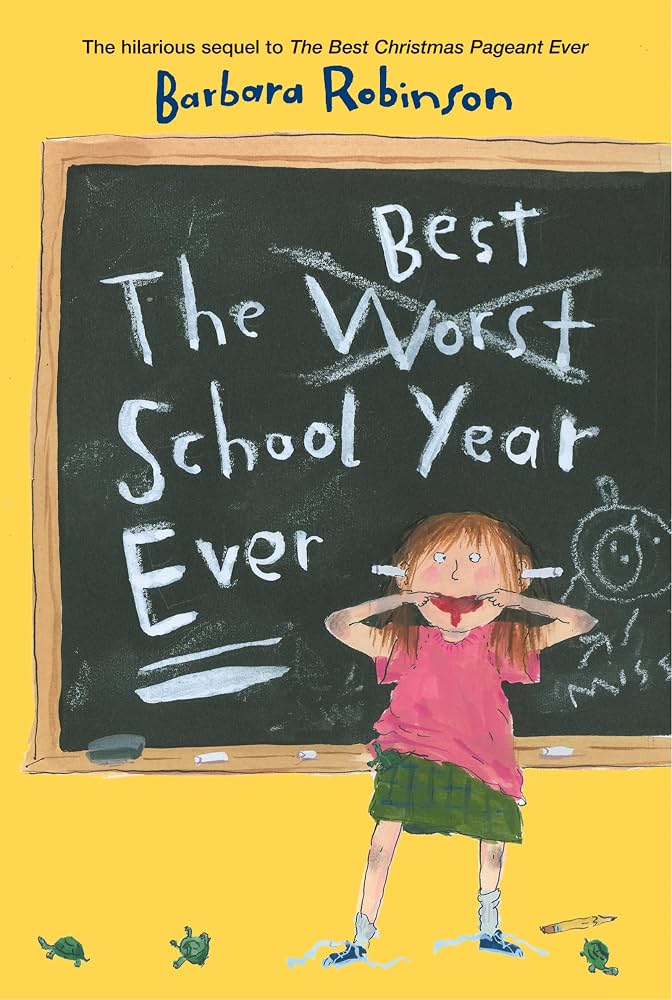
The Best School Year Ever by Barbara Robinson
The six horrible Herdmans – the worst kids in the history of the world – cause mayhem throughout the school year.
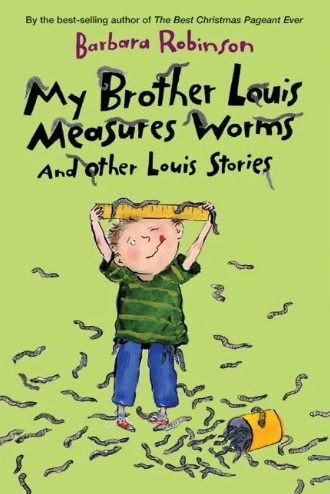
My Brother Louis Measures Worms and Other Louis Stories by Barbara Robinson
Young Mary Elizabeth relates the humorous misadventures of her brother Louis and the other wacky members of her unpredictable, very odd family.
Soup by Robert Newton Peck
The adventures and misadventures of two boys growing up in a small Vermont town.
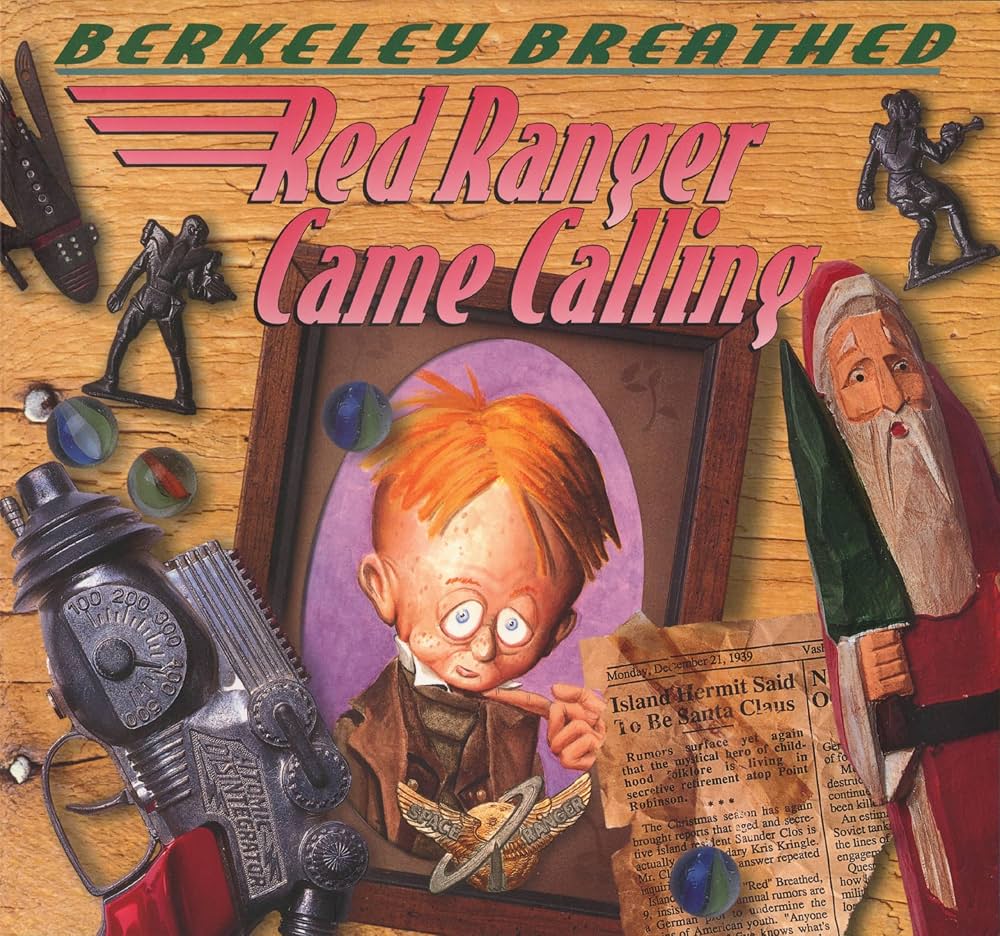
Red Ranger Came Calling: A Guaranteed True Christmas Story by Berkeley Breathed
In 1939, while spending Christmas with a well-meaning aunt, a young boy who does not believe in Santa Claus has an unusual experience that changes his thinking.
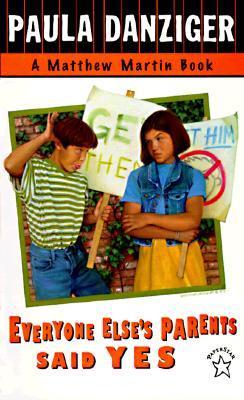
Everyone Else’s Parents Said Yes by Paula Danziger
Matthew cannot resist the temptation to play practical jokes on his older sister and all the girls in his class at school, so by his big eleventh birthday party they have all declared war on him.
You must be logged in to post a comment.